




Turning Waste Into Worth: The Craft Way
What if waste wasn’t waste at all — but a resource waiting to be transformed into something beautiful, useful, and meaningful? For centuries, rural artisans in India have lived by this very philosophy, long before “zero waste” became a sustainability buzzword.
In today’s world of fast fashion and disposable décor, where piles of textile scraps and factory offcuts often end up in landfills, rural craft communities show us what a truly circular economy looks like. Here, every scrap of fabric, sliver of bamboo, or piece of scrap metal holds potential. It’s a mindset that is not only practical but deeply rooted in respect for natural resources.
Craft as Circular Economy: Nothing Goes to Waste
Take the humble quilt — or kantha—from Bengal. For generations, women have stitched together layers of worn-out sarees and old dhotis to create warm, colorful quilts for their families. What began as a necessity has evolved into an art form that now adorns homes around the world.
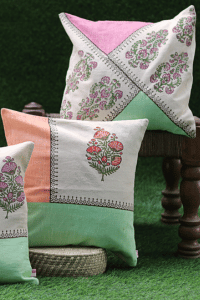
In Rajasthan, patchwork is not just a style but a solution. Tailors and block printers gather leftover fabric pieces and transform them into cushion covers, wall hangings, and even fashion accessories. Every stitch reduces landfill waste and breathes new life into what would otherwise be discarded.
Then there’s the timeless craft of Dokra metalwork. Tribal artisans in Chhattisgarh and West Bengal melt down scrap metal — old brass, bronze, and other alloys — to create exquisite figurines, jewelry, and décor pieces using the ancient lost-wax casting technique. This not only conserves resources but also keeps toxic metal waste out of the soil and water.
Local Examples With Global Impact
Zero-waste crafting is not limited to textiles and metal. Bamboo artisans in Assam and Nagaland craft everyday essentials — baskets, storage boxes, and furniture — using every part of the plant. Offcuts become smaller items like coasters, toys, or even jewelry. This resourcefulness ensures that nothing is wasted and that local, renewable materials replace plastic alternatives.
Even pottery communities practice circularity. In parts of Odisha, leftover clay from broken pots is rehydrated and reused. Broken terracotta pieces are crushed to make natural flooring or used in construction. These closed-loop practices are models of circular design — simple, efficient, and sustainable.
Beyond environmental benefits, this approach supports livelihoods in regions where raw materials can be costly or hard to come by. By using what’s available locally and minimizing waste, artisans cut down costs, keep traditions alive, and build resilience in their communities.