
Gen Z Doesn’t Want to Be Sold To. They Want to Buy In.
What a generation raised on algorithms is teaching the craft sector about trust.
Something has shifted in how young people shop, and those of us who work with India’s artisans should pay close attention.
The generation that grew up with infinite scroll is also the generation most sceptical of it. They can smell a marketing line from a mile away. Discounts don’t impress them for long. What does? Proof. Who made this? Where? Under what conditions? Where does my money actually go?
These are exactly the questions India’s craft sector is best placed to answer, if we build the systems to answer them.
The paradox we’ve been living with
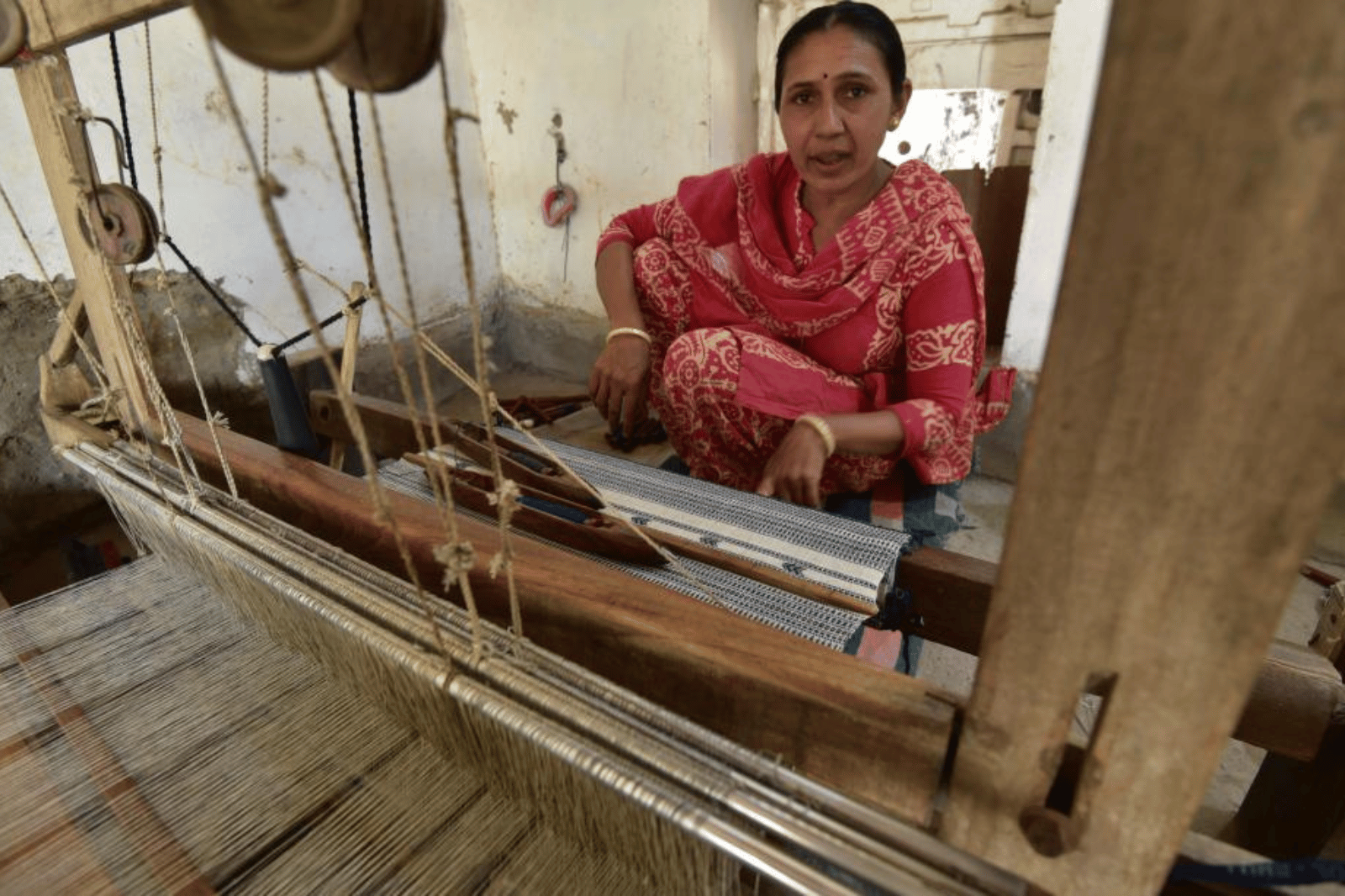
India has around 10 million weavers and artisans. The skill is there. The heritage is there. The demand, increasingly, is there too. And yet the distance between a weaver’s loom and a young buyer’s cart remains enormous, full of middlemen, missing information, and missed income.
At Tisser, working across 18 states, we see both ends of this gap every day. Artisans making extraordinary work with no digital presence. Young buyers who would love that work but have no way to find it, or to trust it when they do.
Closing the gap: from craft to customer
Our response is an ecosystem rather than a single shop. On tisserindia.com we describe it through six pillars: Sahayog (collaboration), Seller (artisan storefronts), Source (traceability), Stores (physical retail), Story (the maker’s narrative), and a Surprise or two.
Holding it together is Sutradhar, our programme that handholds artisans from craft to customer. It brings digital platforms, streamlined logistics, and real shelf visibility. The name means the one who holds the thread, and that’s the role we try to play: not to own the story, but to make sure it reaches the person on the other end intact.
Circularity is the new credibility
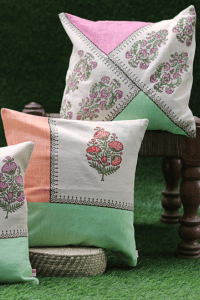
The other thing young consumers are asking is: what happens to the waste? Through our textile recovery work under PunarSutra, we are turning chindi (fabric scraps and recovered textile) into gifts, decor and useful products made by hand. Waste becomes income. Sustainability becomes something you can hold.
For a generation that thrifts, upcycles and reads labels, this isn’t a side story. It’s the headline.
What I’d say to brands, funders and fellow practitioners
- Traceability is not a cost; it’s the product. The story of who made something is now part of its value.
- Speak the language of the buyer. Heritage doesn’t have to sound like a museum label. It can be witty, warm and shareable, and still be respectful.
- Invest in the middle. The biggest gains for artisans often come from logistics, digital access and retail linkage, not only skilling.
- Design for circularity from day one. Waste streams are raw material waiting for a good idea.