

Your Wardrobe Has Trust Issues. Here’s the Fix.
Spoiler: it’s not another haul.
Open your wardrobe. Pick any piece. Now answer three questions: Who made it? Where? How long did it take?
If you’re drawing a blank, you’re not alone. Most of what we wear arrives with zero backstory. A tag that says Made in Somewhere, a size, a wash-care symbol that nobody actually reads. That’s it. We know more about the barista who made our coffee than the person who made our shirt.
That’s the trust issue. And honestly? It’s fair.
The “haul” era is getting old
For a while, the flex was more. More clothes, more drops, more “I got this for nothing.” But a closet full of nearly identical tops starts to feel less like style and more like clutter. You wear something twice, it loses shape, and it quietly moves to the back of the drawer.
A lot of us are over it. Not because we’ve stopped loving clothes, but because we’ve started loving them properly: fewer pieces, better pieces, pieces with a point of view.
Handmade has receipts
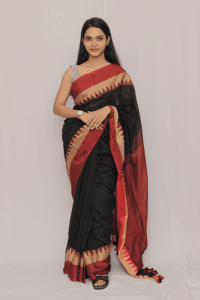
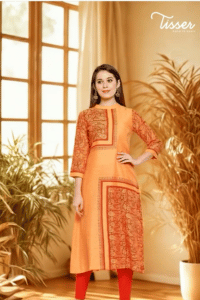
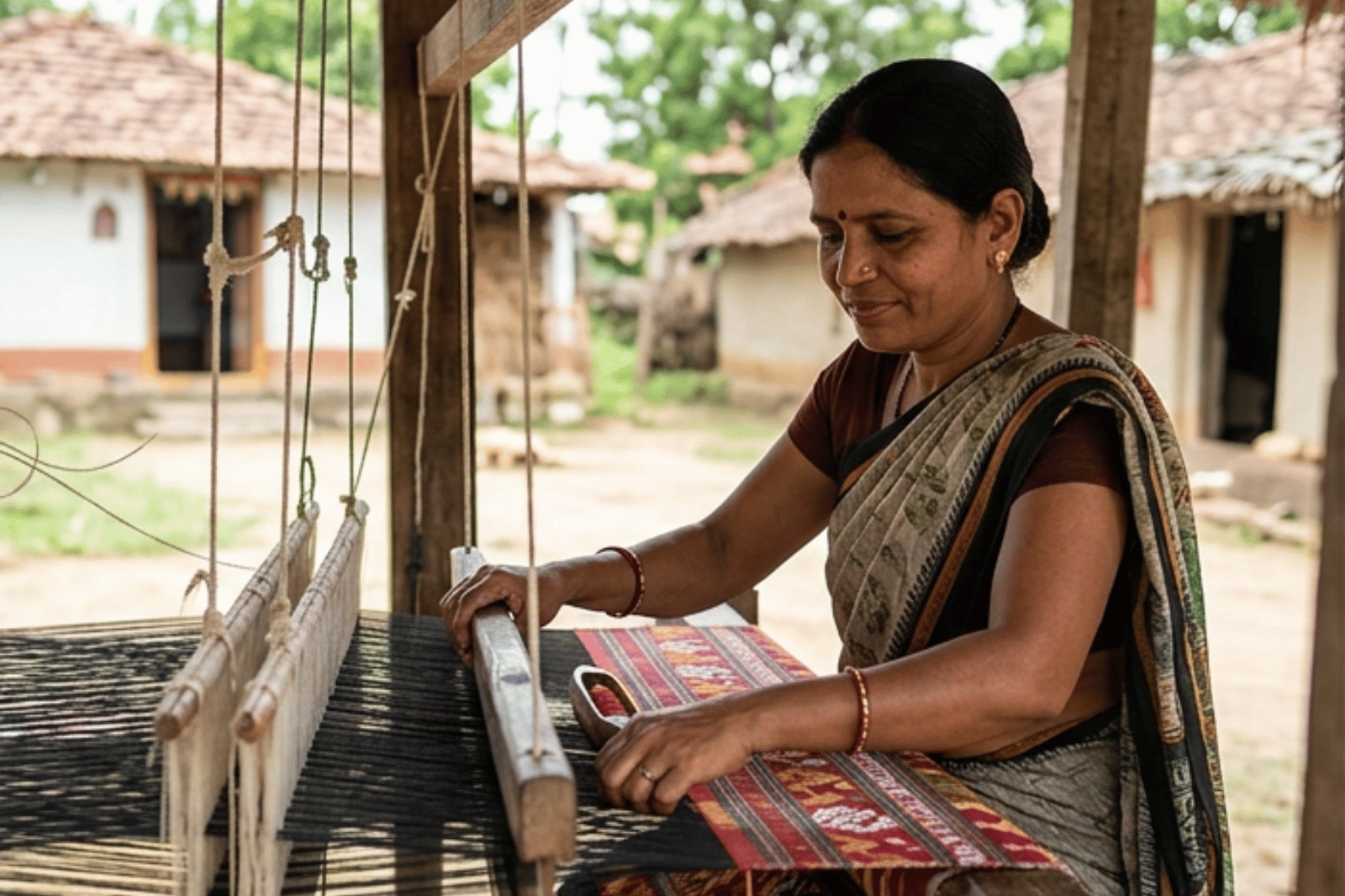
Here’s what a handmade kurti, saree or dupatta comes with that a mass-produced one can’t:
- A maker. A real person with a name and a skill passed down, sometimes over generations.
- A place. A village, a cluster, a craft tradition that’s specific to one corner of India.
- Days of work, not seconds on a machine line. You can feel it in the fabric.
- A reason to exist. It was made to be worn and kept, not to fill a rack for three weeks.
That’s the whole idea behind Source, one of the six pillars on the Tisser website: knowing where your piece came from. Traceability beats vibes.
Why this matters beyond your outfit
India has around 10 million weavers and artisans. That’s not a niche. It’s one of the biggest creative workforces on the planet. When you buy handmade, the money doesn’t disappear into a supply chain you can’t see. It goes back to the hands that made the thing.
At Tisser, our programme Sutradhar (literally, the one who holds the thread) handholds artisans all the way from craft to customer: digital storefronts, logistics, and actual shelf space in stores. The artisan gets a market. You get something real. Everybody wins, except maybe the algorithm.
“Add to cart. Add to someone’s livelihood.”
“But handloom is for aunties”
Respectfully, no. Handloom is for anyone who wants to look like themselves and not like everyone else at the party. A handwoven kurti with jeans. A dupatta thrown over a plain tee. A men’s handloom shirt that’s somehow both relaxed and sharp. None of this is costume. It’s just good clothing with better stories.
And if the aunties got there first? Maybe they were right all along.
How to fix your wardrobe’s trust issues (without a total overhaul)
- Start with one piece. Swap your next impulse buy for one handmade item you’ll actually wear a lot.
- Ask the three questions. Who made it, where, how long? If the brand can’t answer, that’s an answer.
- Mix, don’t match. Pair handloom with what you already own. It doesn’t need a special occasion.
- Gift better. Handmade gifts, especially ones made from waste fabric, say “I thought about this” in a way a gift card never will.
- Tell the story. When someone asks where your outfit is from, you finally have an answer worth giving.